Knowledge Base / Healthcare
Designing Wireless Networks That Can't Fail
May 2026

A dropped Wi-Fi connection in a corporate office is an inconvenience. A dropped connection in a hospital can mean a nurse call system that doesn't reach the desk, a real-time locating tag that loses track of a critical piece of equipment, or a mobile workstation that logs a clinician out mid-documentation. Healthcare wireless design starts from a different baseline than a standard office rollout: the network has to work, consistently, in an environment that is actively hostile to radio frequency and where the cost of failure is measured in patient care, not productivity.
An RF Environment Built to Fight the Signal
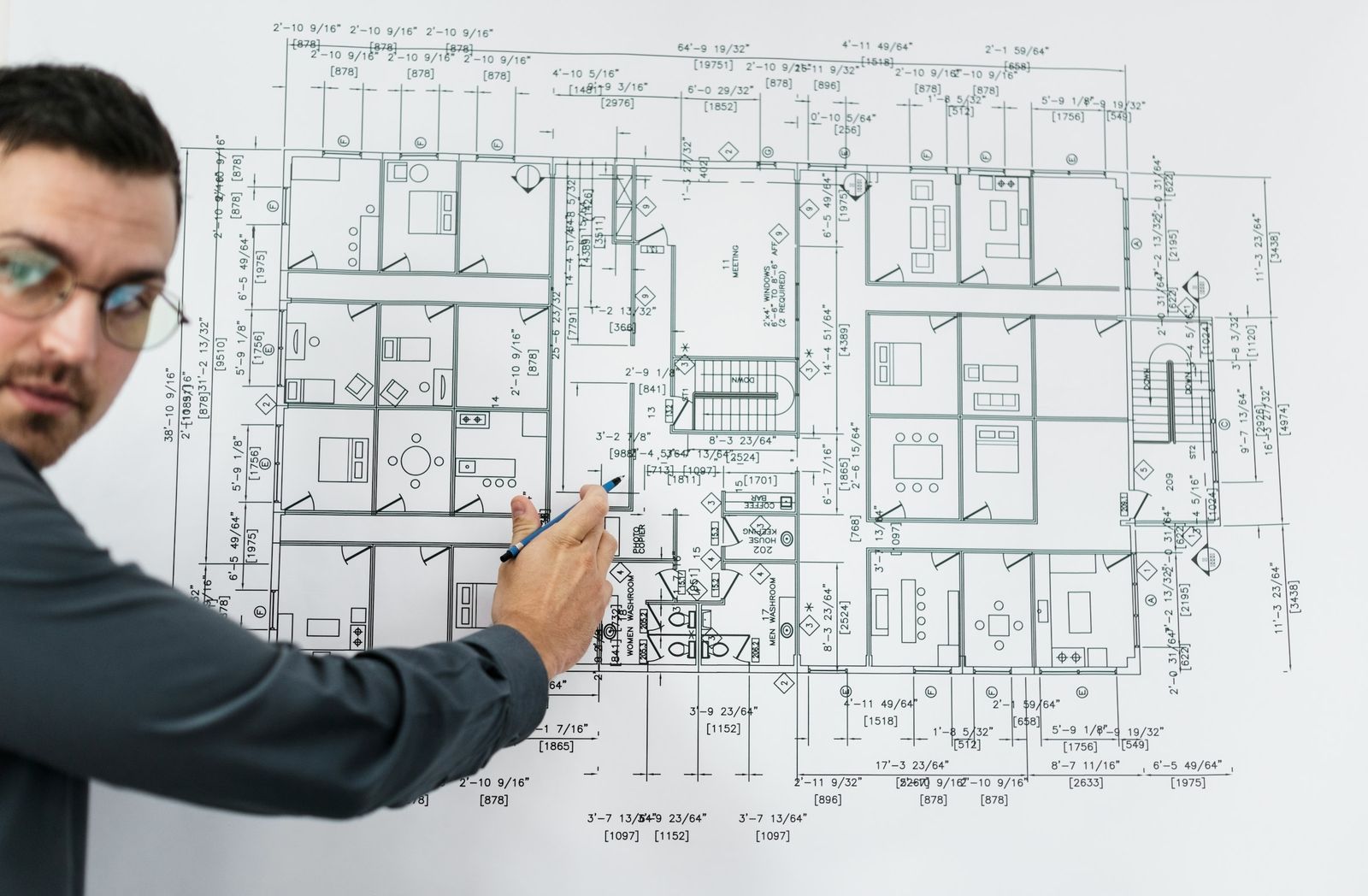
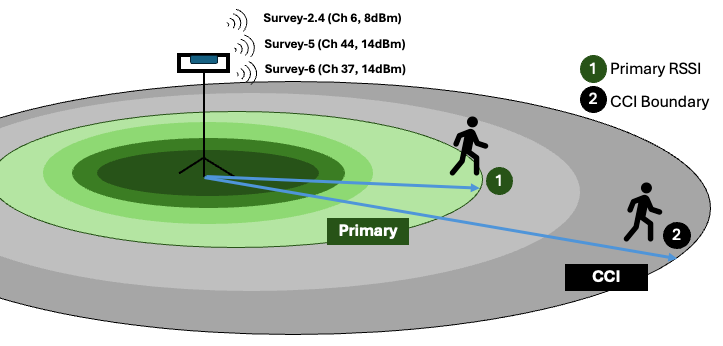
Hospitals are dense with exactly the materials that make RF design difficult. Lead-lined walls around imaging suites and radiology departments block signal by design. MRI machines generate their own electromagnetic interference and typically require dedicated, carefully isolated coverage. Operating rooms, sterile processing, and mechanical floors are full of metal equipment, gurneys, and shelving that create multipath reflections a standard office survey rarely has to account for. Add multiple floors of similar construction stacked on top of each other, and co-channel interference between floors becomes a real design constraint, not an edge case.
Device density compounds the problem. A single patient room can host a nurse call panel, an infusion pump, a patient monitor, a real-time locating system tag, and a handful of personal devices — all competing for airtime on the same channels. Multiply that across a med-surg floor and the network isn't just providing coverage, it's managing capacity and airtime fairness at a scale most non-clinical environments never approach.
Designing for Roaming, Not Just Coverage
Much of clinical work happens in motion. Mobile carts (workstations on wheels) move continuously between rooms, nursing stations, and supply areas, carrying an active clinical documentation session that cannot afford to drop mid-transfer. Voice-over-Wi-Fi handsets used for care team communication have even tighter roaming tolerances — a slow handoff between access points shows up as a dropped call, not just a lagging web page. Designing for this means overlapping cell coverage tuned specifically for fast, clean roaming decisions, not simply maximizing signal strength in any one spot.
Coverage also has to extend into areas that a quick walkthrough tends to skip: stairwells, elevators and elevator lobbies, basement mechanical and imaging areas, and loading docks where supply chain and biomed equipment tracking depend on the same RTLS infrastructure as the clinical floors above.
Redundancy as a Design Requirement, Not an Upgrade
Because life-safety and real-time locating systems increasingly run over the same wireless infrastructure as general clinical Wi-Fi, redundancy has to be designed in from the start — overlapping AP coverage so a single access point failure doesn't create a dead zone, and capacity headroom sized for the actual device count per room rather than a generic office density assumption.
How BWDS Approaches Clinical Environments
Healthcare wireless design at BWDS starts with a predictive model built around actual clinical device inventory and room-by-room use, followed by active and passive validation surveys that specifically test the areas standard surveys miss — imaging suites, stairwells, and mechanical spaces included. The goal isn't a heatmap that looks complete. It's a network that a nursing floor can depend on without thinking about it.
Ready to talk through your space?
Tell us about your facility and we'll scope the right survey and design approach — no obligation.
Start a Project Inquiry